
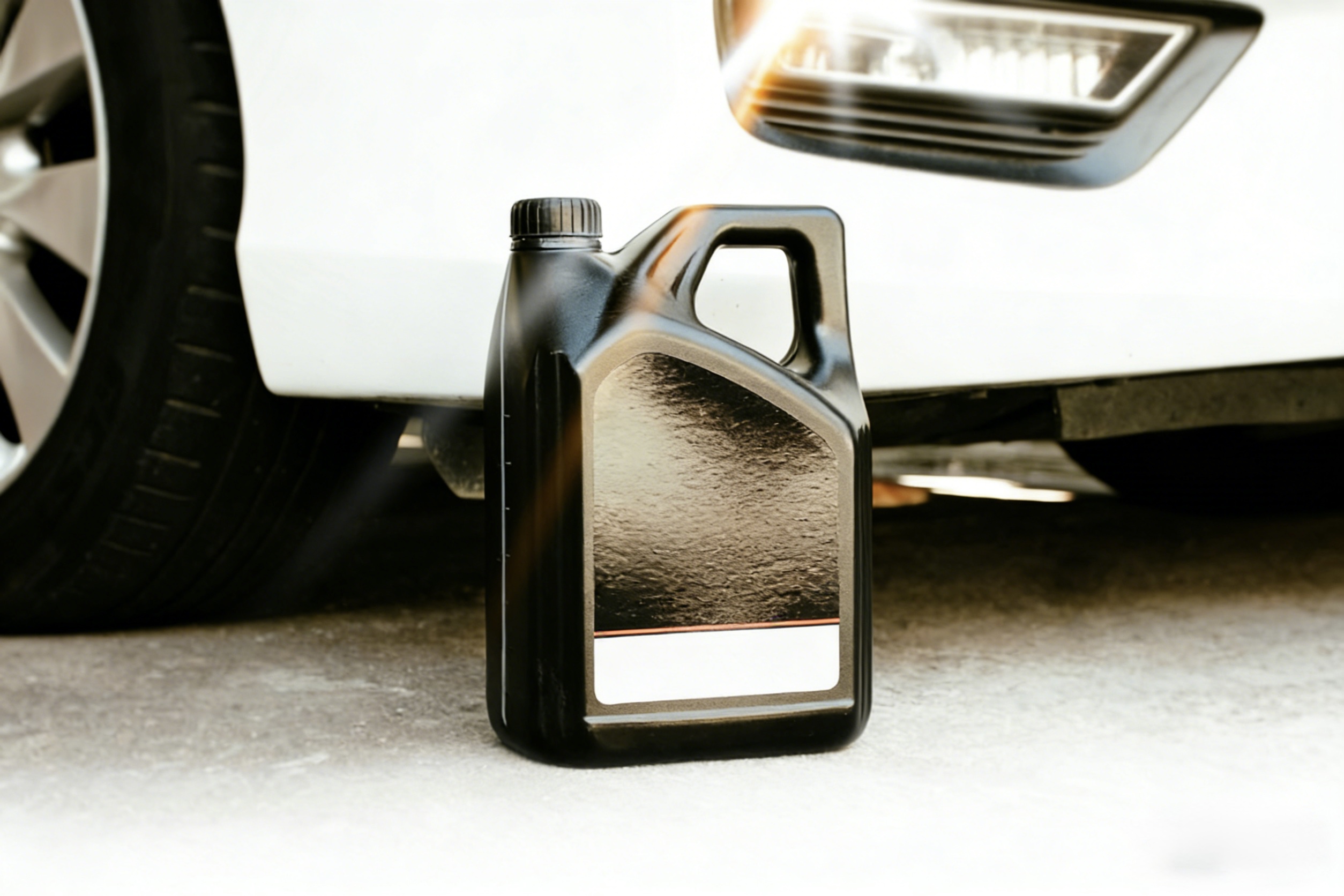
Why Long-Term Compatibility Matters More Than Numbers
In the passenger car segment, engine oil is often treated as a standardized product.
In reality, modern engines place very different demands on lubrication, depending on design, driving conditions, and service intervals.
From a manufacturing perspective serving global markets, one point is clear:
the real value of passenger car engine oil is not defined by isolated specifications, but by long-term compatibility with the engine and its operating environment.
Modern passenger car engines are changing the requirements for engine oil
Advances in engine technology have significantly changed lubrication needs:
- Smaller displacement turbocharged engines operate at higher temperatures and pressures
- Start-stop systems and urban traffic increase cold-start frequency and wear risk
- Extended oil change intervals demand stronger oxidation resistance and cleanliness
As a result, passenger car engine oil is no longer a simple consumable.
It has become a functional component that directly affects engine durability and efficiency over time.

Different engine designs require different lubrication strategies
In passenger car applications, oil selection should be based on engine structure and usage patterns, not on “one-grade-fits-all” thinking:
- Naturally aspirated engines prioritize cleanliness and long-term stability
- Turbocharged engines require stronger high-temperature oil film strength and deposit control
- Urban-driven vehicles benefit from improved low-temperature flow and fuel efficiency
In practice, proper viscosity selection and performance balance are often more important than choosing the highest possible specification.
Consistency matters in chain workshop environments
For branded chain workshops and service networks, passenger car engine oil must support operational consistency as well as technical performance:
- Clear and repeatable oil standards across locations
- Stable performance across different production batches
- Compatibility with existing service procedures and technician training
Overly complex oil portfolios or frequent changes in specifications often increase execution risk without improving service quality.
Manufacturing focus goes beyond initial performance
From the factory side, evaluation does not end at laboratory results or first use.
Greater emphasis is placed on:
- Viscosity stability throughout the full service interval
- Long-term engine cleanliness
- Consistent behavior under different driving conditions
This is why durability, thermal stability, fuel efficiency, and environmental performance are considered together during product development.
Passenger car engine oil is not a product designed for short-term differentiation. Its real purpose is to provide stable, predictable protection throughout everyday use. When oil formulation is properly matched to engine design, driving environment, and maintenance rhythm, engine oil quietly does its job—supporting performance, efficiency, and longevity without drawing attention to itself.