
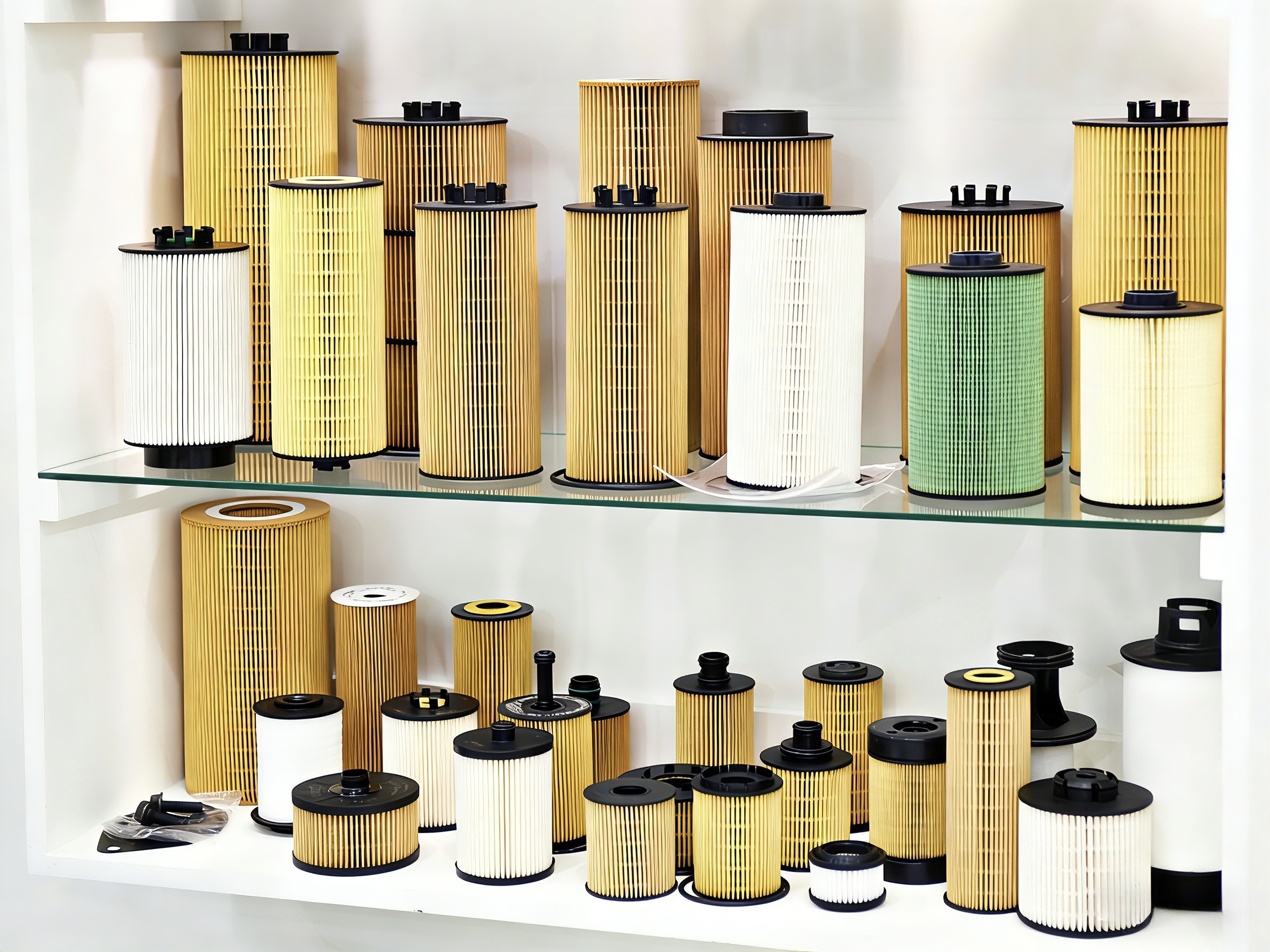
In truck fleets and passenger transport operations, filters are not complicated components.
Yet in practice, they are often made complicated by the way they are selected and used. From our experience supporting fleets and maintenance systems, problems rarely come from the filter itself.
They usually come from inconsistent selection, unclear standards, or unstable usage practices across vehicles and workshops.
For fleets, stability matters more than specifications
Heavy trucks and passenger vehicles are built for continuous operation.
What fleet operators care about most is not peak performance, but reliability over time. A filter’s basic job is simple:
to do its work consistently within a defined service interval, without creating additional problems.
If this can be achieved over months of operation, most fleets already avoid a large portion of unnecessary maintenance issues.
we’ll touch upon warranty and after-sales support considerations. We’ll advise you on checking warranty policies, return and exchange procedures, and customer support availability to ensure a seamless experience in case any issues arise with your purchase.
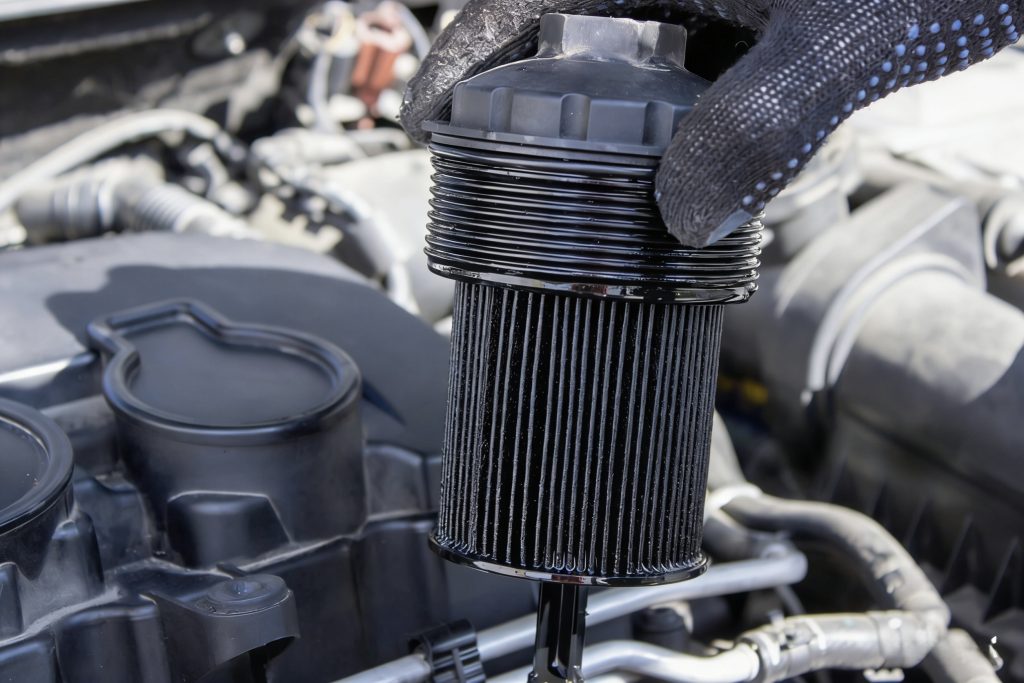
Many costs come from inconsistency, not from price
In many fleets, filter-related costs increase not because the product is expensive, but because:
- Different vehicle models use different specifications without a clear rule
- Temporary substitutions are made when stock is unavailable
- Maintenance decisions vary between workshops or technicians
Individually, these may seem minor.
Over time, they become management cost, operational friction, and avoidable rework.
The real difference is not the unit price of a filter, but whether it is used consistently.
Not every vehicle needs the highest-grade option
Operating conditions differ. Long-distance highway trucks and vehicles running frequent short routes place very different demands on filtration systems. Well-managed fleets do not aim for the highest specification across all vehicles. They focus on whether a configuration can be used reliably within their existing maintenance rhythm. If it works steadily and predictably, that is usually enough.
From a manufacturing perspective, long-term results matter most
From the factory side, what matters is not how a filter looks on the first day, but how it performs after months of real use. In large-scale applications, consistency is more valuable than complexity. Stable structure and repeatable quality make maintenance easier and more predictable for fleet operators.
Final note
Filters are not the most visible components in a vehicle, but they are among the easiest to overlook when building a stable maintenance system. For truck fleets and passenger transport operators, clear selection rules, consistent usage, and disciplined replacement schedules are usually more effective than complex solutions. When the basics are done properly, filters rarely become a problem.